Money for Kindergarten Worksheets
Teaching young children about money is an essential part of their education. Understanding the value of money helps them develop important life skills, such as budgeting and saving. Kindergarten worksheets focused on money can make learning fun and interactive, allowing children to grasp these concepts through engaging activities. By incorporating visuals and hands-on exercises, educators can create a stimulating environment that fosters financial literacy from an early age.
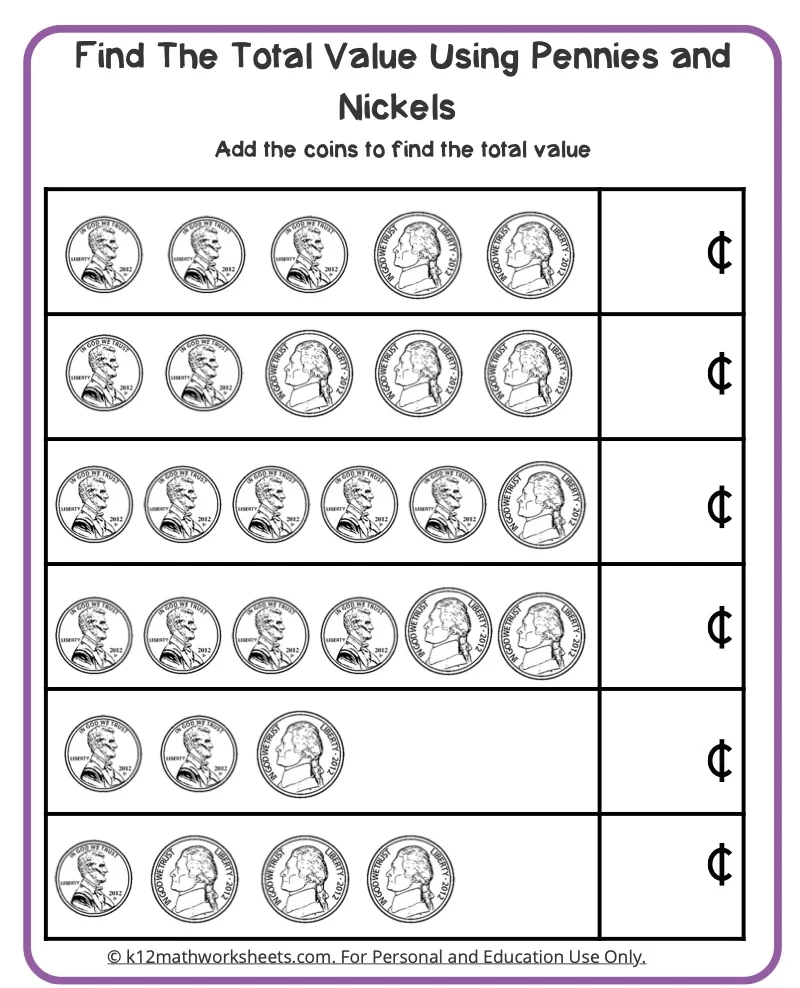
Money for kindergarten worksheets not only introduce basic concepts of currency but also encourage critical thinking and problem-solving skills. These worksheets often include activities such as counting coins, identifying different denominations, and simple addition or subtraction problems involving money. By practicing these skills, children build a strong foundation for future financial understanding.
Money for Kindergarten Worksheets
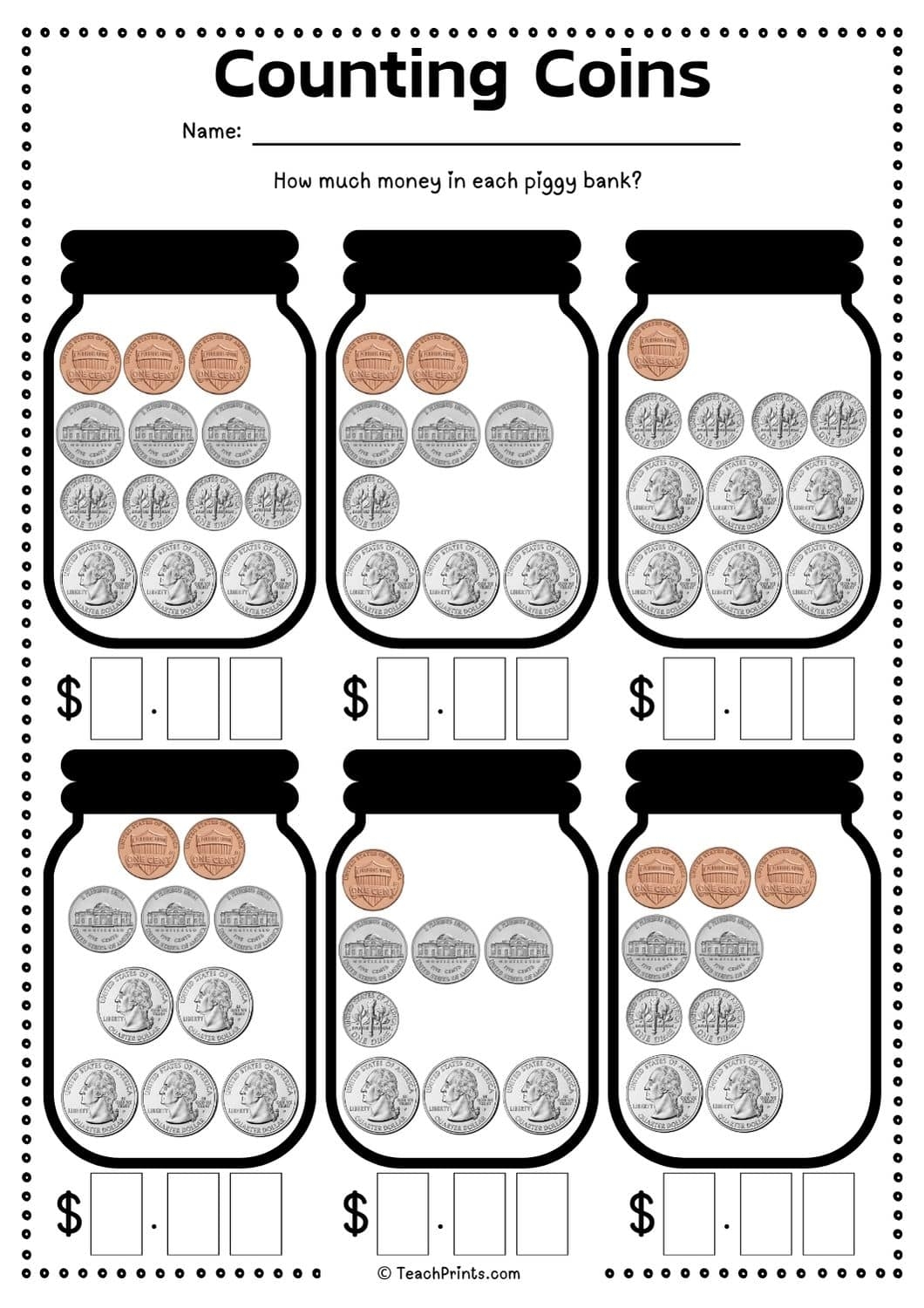
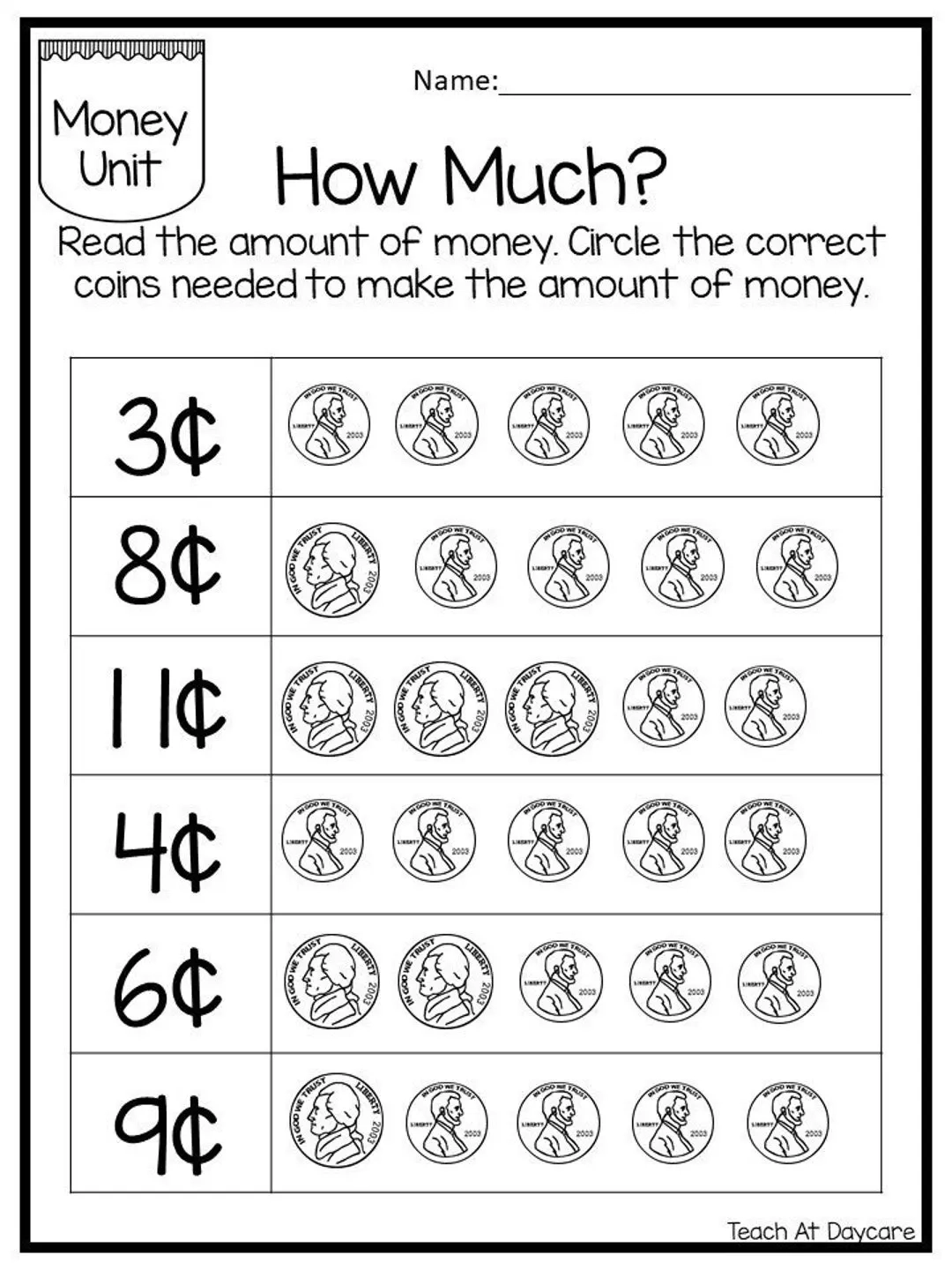
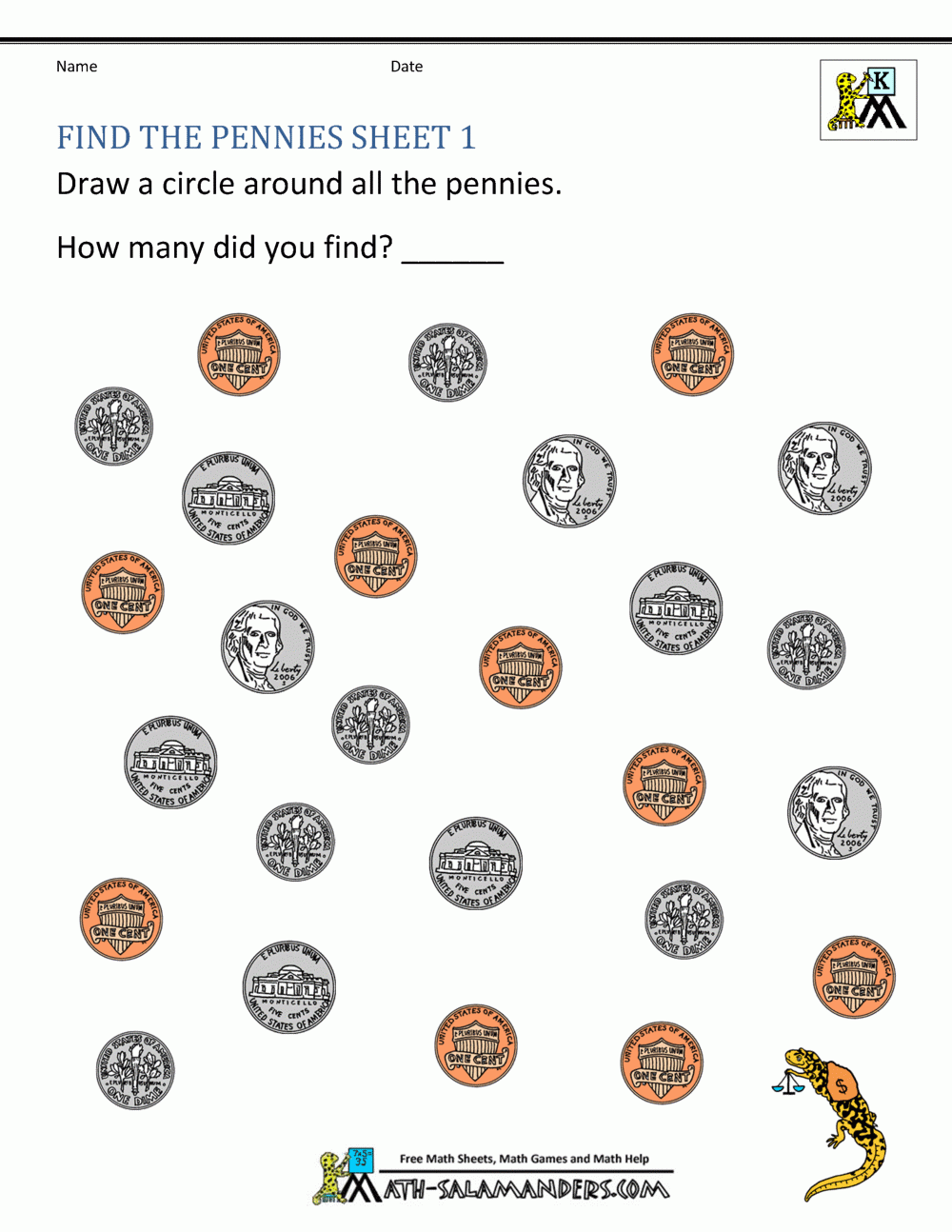
One effective way to teach money concepts is through counting exercises. Worksheets that feature images of coins and bills allow children to practice counting and recognizing different denominations. For example, a worksheet may present a series of coins and ask students to count how much money they have in total. This hands-on approach helps solidify their understanding of value.
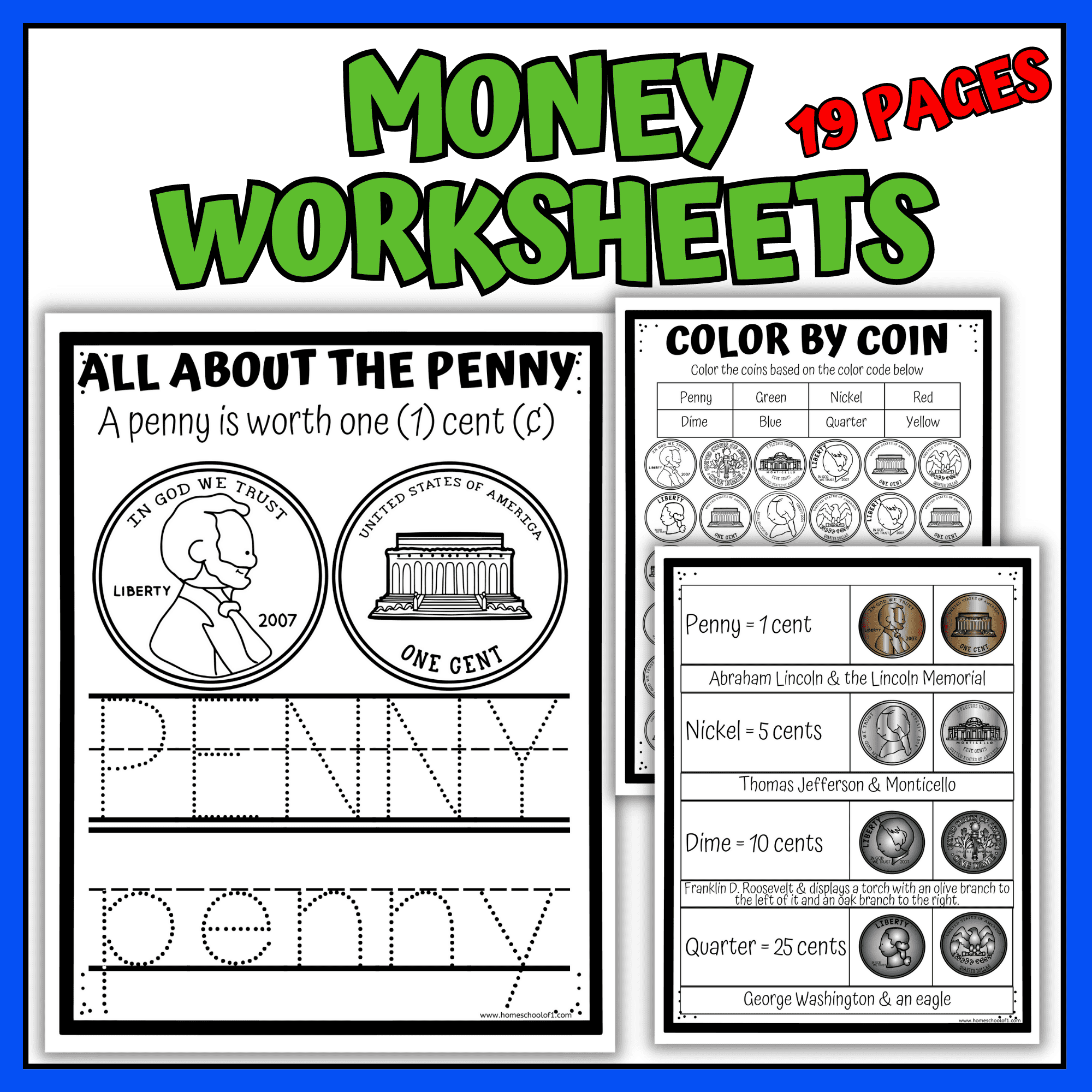
Another engaging activity is matching games where children pair images of coins with their corresponding values. Such worksheets can include colorful illustrations that capture children’s attention while reinforcing their learning. This method not only aids in recognition but also enhances memory retention, making it easier for children to recall the value of each coin later on.
Additionally, role-playing scenarios can be incorporated into worksheets to simulate real-life situations involving money. For instance, a worksheet might depict a small store where children can “buy” items using play money. This interactive experience allows them to practice making transactions, giving them a practical understanding of how money works in everyday life.
Finally, incorporating story problems related to money can help children apply their knowledge in context. Worksheets that present simple math problems involving purchases or savings encourage critical thinking. For example, a problem might ask how much change a child would receive after buying an item with a certain amount of money. This not only reinforces math skills but also emphasizes the importance of making wise financial decisions.
In conclusion, money for kindergarten worksheets are invaluable tools for teaching young learners about financial concepts. By using engaging activities such as counting exercises, matching games, role-playing scenarios, and story problems, educators can create a dynamic learning environment. These foundational skills will serve children well as they grow and navigate the world of finance in the future.
Download and Print money for kindergarten worksheets Listed below